



Reverse osmosis is the most advanced purification technology for domestic drinking water. By forcing water through a semi-permeable membrane, it retains the vast majority of dissolved substances: chlorine, nitrates, pesticides, heavy metals, micropollutants… but also useful minerals such as calcium, magnesium and potassium.
Hence a recurring question · and a frequent sales argument: should osmosed water be remineralised? The honest answer is neither "yes, it is essential" nor "no, it is useless". It depends on what you expect from the water. Let us sort the real benefits from the marketing.
1. Very pure water… and demineralised
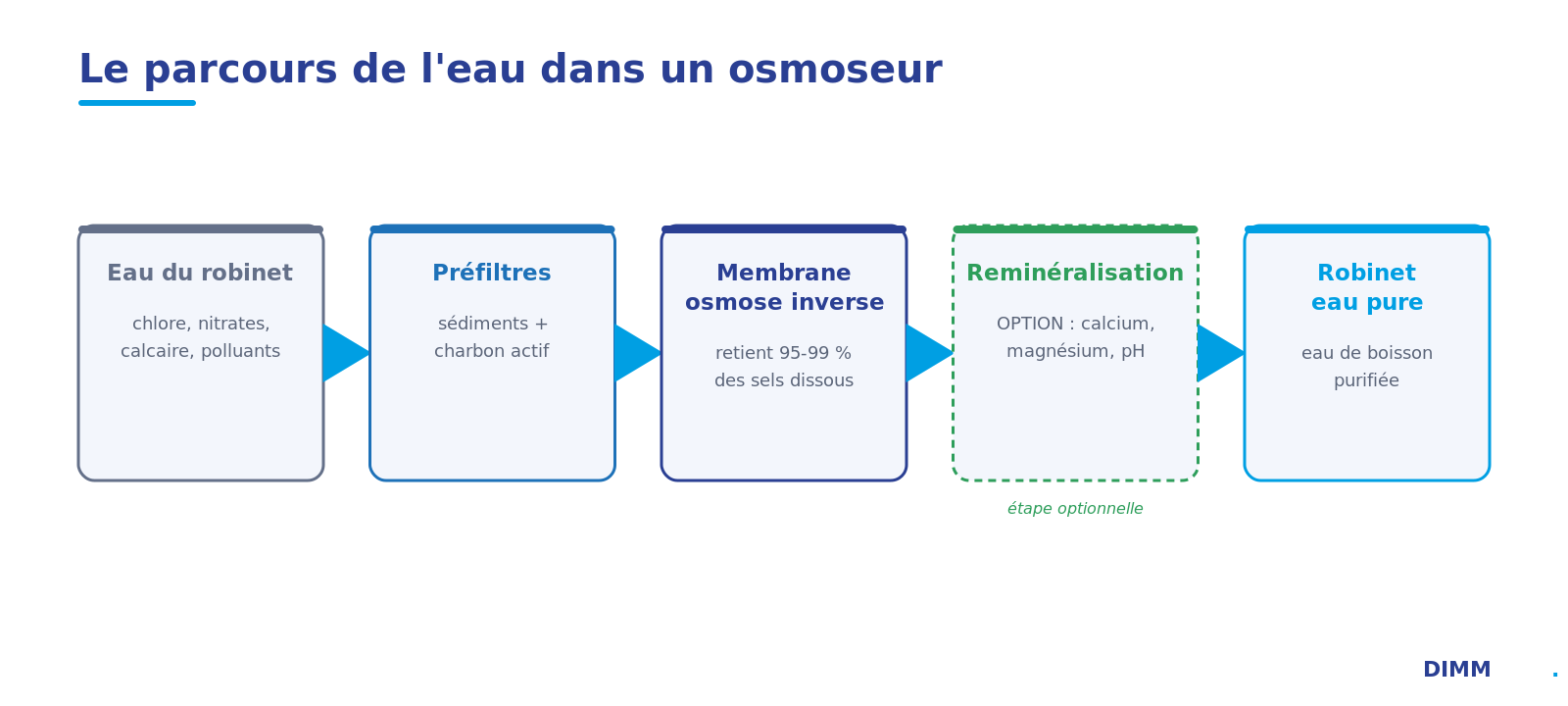
The reverse-osmosis membrane typically retains 95 to 99% of dissolved salts. The result: water of great purity, with a neutral taste, rid of pollutants as well as minerals. Note: a domestic RO unit does not produce fully demineralised water · some traces of mineral salts always remain.
This low mineral content has two direct consequences: a "flatter" taste than that of mineral water, and a slightly acidic pH, which makes the water a little more aggressive. It is on these two points that the remineralisation debate focuses.
2. The debate: should you remineralise?
It is a genuine question, on which views differ · including among professionals. Let us honestly present the two points of view.
The arguments for
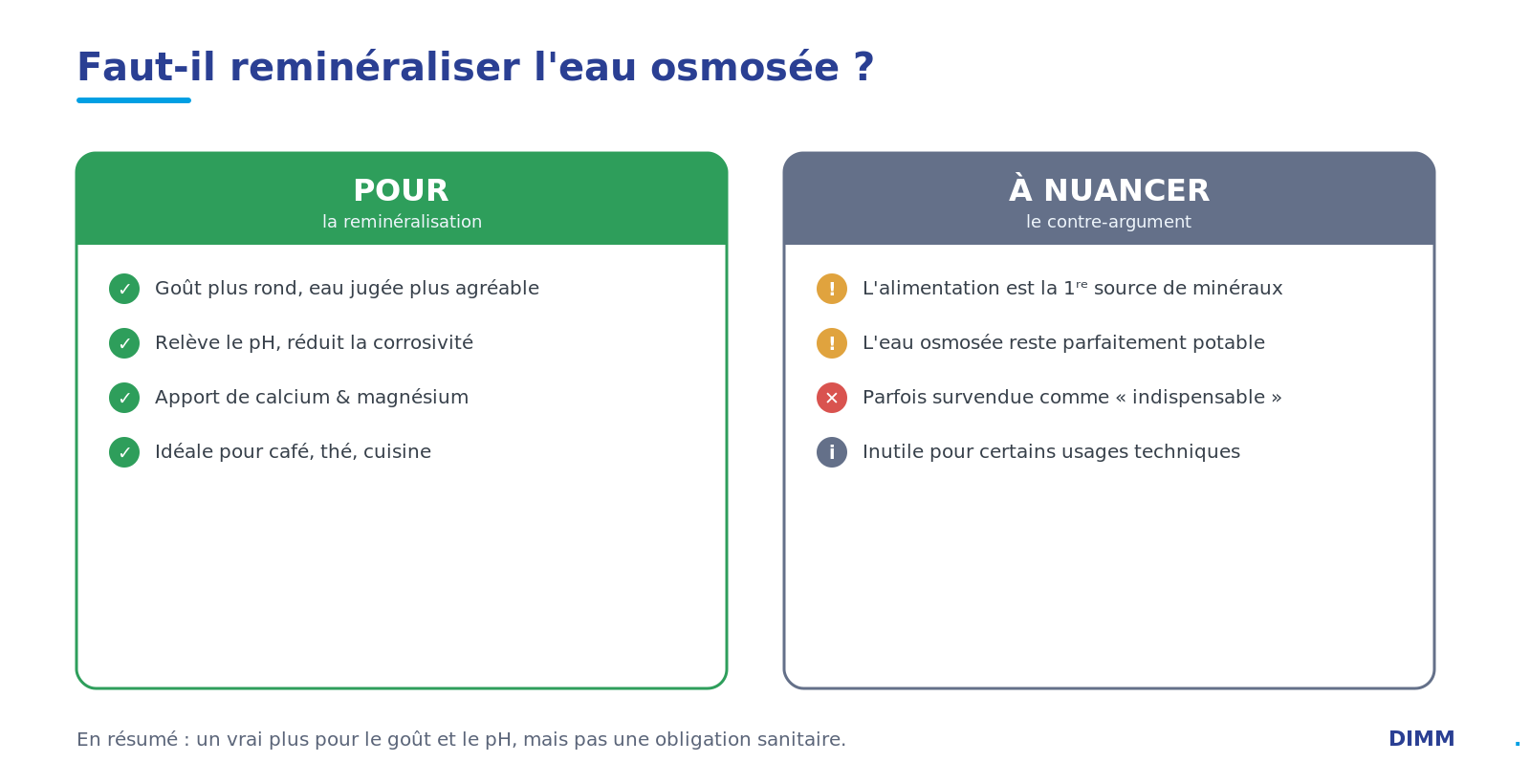
- Taste: reintroducing a little calcium and magnesium gives the water "body", often judged more pleasant than fully osmosed water.
- pH and corrosivity: remineralisation raises the pH towards neutrality and reduces the aggressive character of the water.
- Mineral balance: an intake, however modest, of essential minerals (put forward particularly for people poorly covered by their diet).
The counter-argument
- Water is not our main source of minerals: a balanced diet provides most of the calcium, magnesium and potassium the body needs.
- Potability is not in question: non-remineralised osmosed water remains perfectly potable.
- Beware of purely commercial claims: remineralisation is sometimes oversold as "essential" when it is mainly a matter of comfort.
💡 The right advisory reflex
Present remineralisation for what it is: an improvement of taste and pH, pleasant and relevant for many households, but not a sanitary obligation. Honesty = customer trust.
3. How remineralisation works
In practice, remineralisation is done via a post-filter cartridge installed after the membrane. The osmosed water passes through a mineral media · for example calcite (calcium carbonate), corosex (magnesium) or natural mineral rocks · which gradually releases calcium and magnesium and raises the pH.
It is a step that is simple to add or omit as needed, and a consumable to be replaced periodically like the other cartridges of the RO unit.
4. And the pH / network corrosivity?
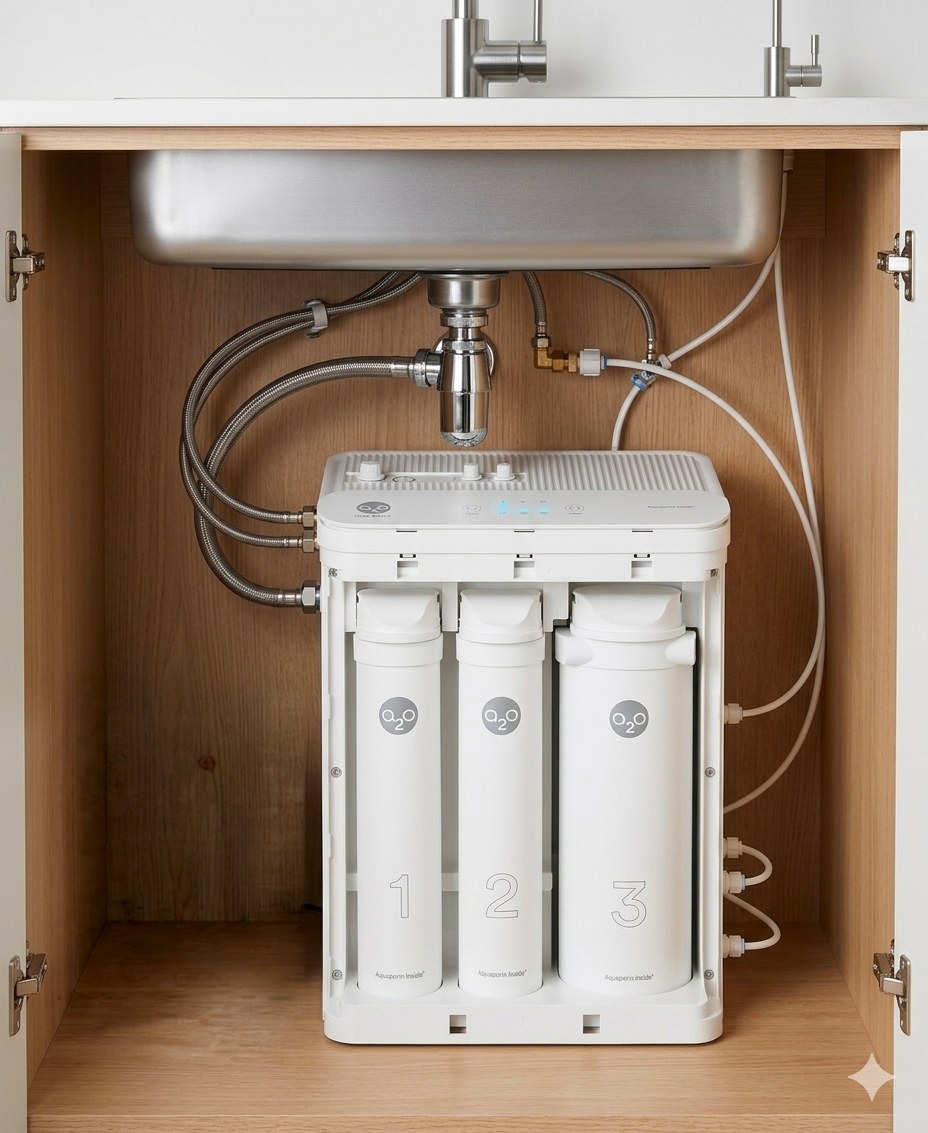
Slightly acidic osmosed water is more aggressive. In domestic practice, the RO unit feeds a dedicated pure-water tap (with suitable materials), so the impact on the general plumbing remains limited. But for taste and for drinking water with a balanced pH, remineralisation brings a real plus.
5. Our recommendation by use
| Profile / use | Remineralise? | Why |
|---|---|---|
| Everyday drinking water | Recommended | Better taste, balanced pH, comfort |
| Coffee, tea, cooking | Often appreciated | Rounder taste, improved rendering |
| Technical uses (iron, specific aquarium keeping…) | Rather not | Very pure water is precisely what is sought |
| "Mandatory for health" argument | To nuance | Diet remains the main source of minerals |
🔗 DIMM solutions · Osmosis & remineralisation
- DIMM domestic RO units · advanced purification for quality drinking water.
- Remineralising cartridges · calcium/magnesium post-filters for taste and pH.
- Membranes & consumables · for maintenance and periodic replacement.
6. Who is this choice for?
Individuals & installers
Remineralisation is an excellent comfort argument to offer · provided it is explained honestly as an improvement of taste and pH, not as a vital necessity.
Hospitality & tertiary
For coffee, tea and cooking, remineralised osmosed water offers an often superior taste rendering. To be arbitrated according to the equipment and the use.
Conclusion: a quality choice, not an obligation
Should osmosed water be remineralised? For taste and pH, it is a real plus, which many households will appreciate. For health, it is not essential: non-remineralised osmosed water remains potable, and diet covers most of the mineral needs. The professional's role is to present this choice honestly, without overselling it · that is what builds trust.
The DIMM teams support partner installers, distributors and resellers in choosing RO units and their consumables, remineralisation included, in France and Belgium.
Reference points
- Reverse osmosis retains ≈ 95-99% of dissolved salts; domestic osmosed water keeps traces of minerals.
- Low-mineral water is slightly acidic and more aggressive; remineralisation raises the pH.
- Diet is the main source of calcium, magnesium and potassium.
- Common remineralisation media: calcite (calcium), corosex (magnesium), mineral rocks.