

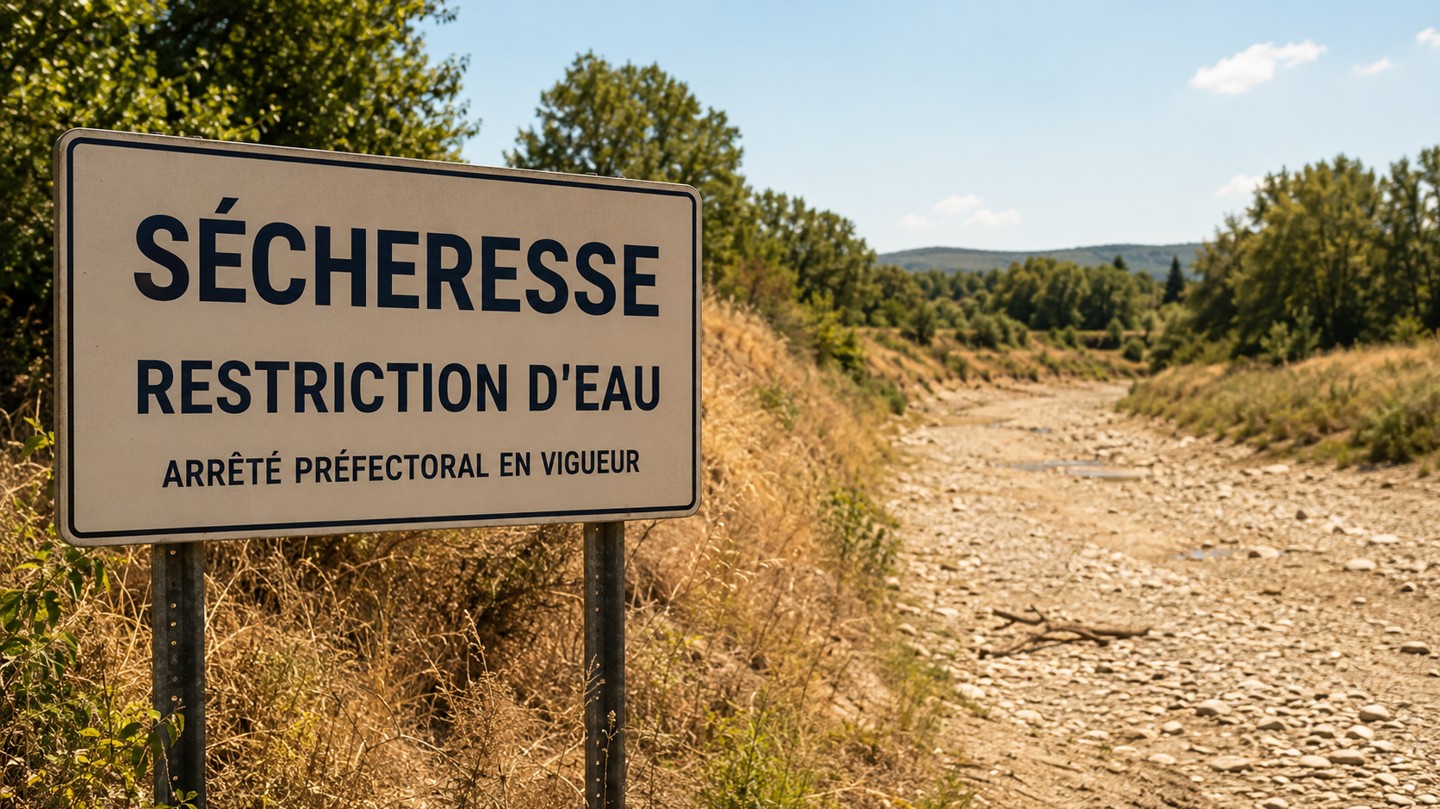
Every summer, the drop in river flows and groundwater levels leads prefects to issue restriction orders on water use. For a high-consumption professional, these orders can limit or even suspend certain uses overnight.
Understanding the four levels, knowing where to get information and above all anticipating through water frugality: that is the subject of this article.
📊 Situation in mid-August 2026
The 2026 drought is particularly severe. In France, by mid-August, nearly 99 départements are at least on vigilance and around 70% of the territory is subject to restrictions · including 72 départements with zones in crisis, each governed by a prefectural order. In Belgium, around fifteen Walloon municipalities have imposed restrictions (watering, washing, pool filling) and "drought" orders from provincial governors are in force; Flanders and Brussels are also under strain. (Figures dated August 2026, to be updated in real time on VigiEau and with regional authorities.)
1. How drought orders work
In France, it is the département prefect who issues the restriction orders, on the basis of a framework order. They apply to zones (river basins) and are triggered according to indicators: watercourse flows, groundwater levels, weather situation.
The measures intensify as the situation worsens, across four levels.
2. The 4 levels of restriction
- Vigilance: a call for frugality, without binding restriction.
- Alert: reduction of abstraction, partial bans (watering hours, certain washing).
- Reinforced alert: the same restrictions, applied more strictly.
- Crisis: only priority uses are authorised (drinking water, safety, health); agricultural and non-priority abstraction may be banned.
3. Who is concerned and which uses
The orders target all users: farmers (irrigation), industry (abstraction, including regulated ICPE sites), communities and individuals. The typically restricted uses: watering, washing (vehicles, roads), filling (pools, water bodies), certain abstractions from watercourses or groundwater.
4. Where to get information?
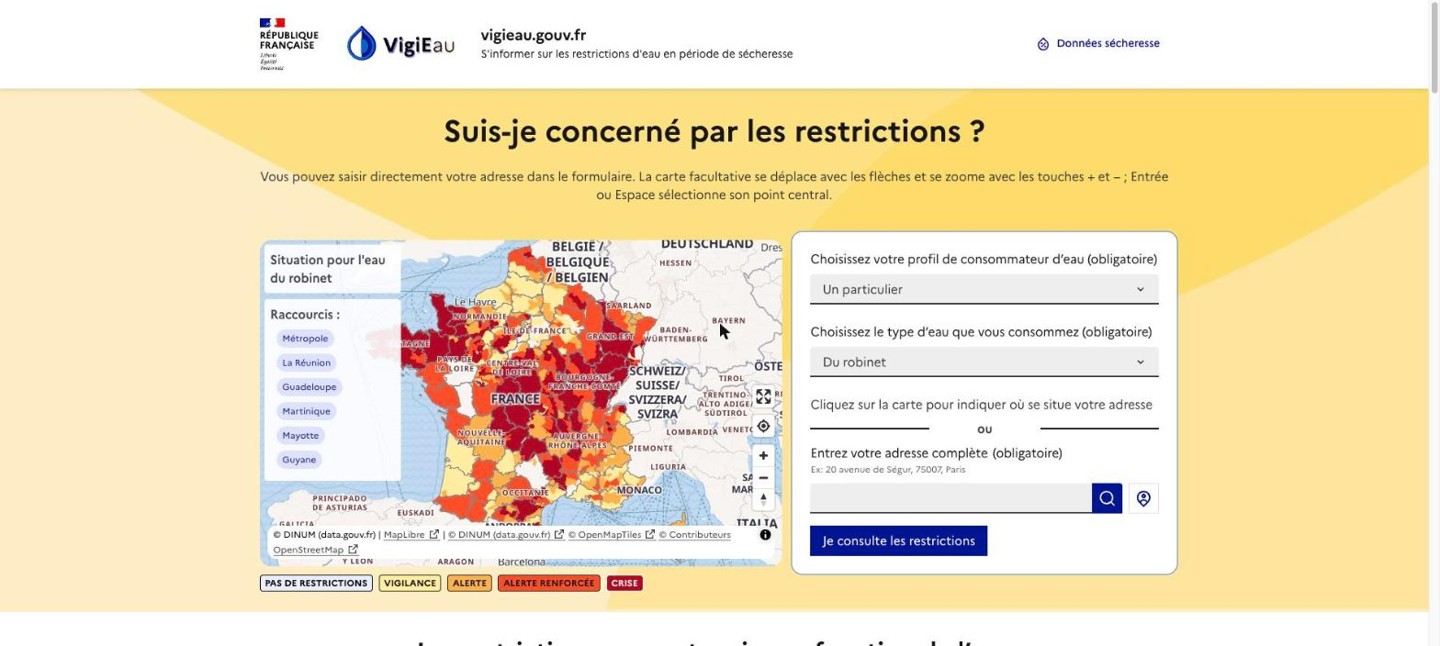
The official reference platform is VigiEau (vigieau.gouv.fr): it shows, address by address and zone by zone, the restriction level in force and the uses concerned. A simple reflex: regularly check the situation of your municipality during the summer.
5. Anticipate: water frugality
The best response to a restriction is to depend less on the resource. Several complementary levers:
- Reduce consumption (metering, leak hunting, water-efficient processes).
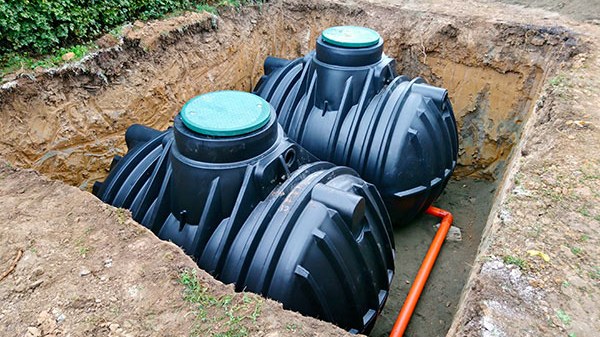
- Harvest & recycle: rainwater, greywater, reused treated wastewater (REUT).
- Close your process loops (industrial recycling, closed loop).
- Store to smooth demand peaks.
6. And in Belgium and the Netherlands?
In Belgium, drought management falls to the Regions: in Wallonia, governors can take restriction measures; in Flanders, the VMM leads drought monitoring (droogte). Recent summers have brought local restrictions, confirming that the subject is no longer the preserve of southern Europe. In the Netherlands, a country very advanced in water management, the subject is also a priority (waterschappen, Rijkswaterstaat): DIMM has a significant share of its customers there, alongside Belgium and France.
7. Who is this approach for?
Any high-water-consumption site · industry, food processing, agriculture, hospitality, communities · has an interest in anticipating. The stake is not only regulatory: it is business continuity that is at play when water runs short.
Conclusion
Drought orders are not an unavoidable fate: they can be anticipated. Understanding the four levels, following VigiEau (vigieau.gouv.fr), and above all engaging in a water-frugality approach (reduction, harvesting, recycling, REUT) helps secure your activity. The less you depend on the resource, the less you suffer restrictions.
The DIMM teams support professionals, in Belgium, France and the Netherlands, with water-recycling and optimisation solutions to face periods of strain.
🔗 DIMM solutions
Water recycling, closed loop, harvesting and treatment: DIMM helps high-consumption sites reduce their dependence on the resource and get through restrictions.
Reference points
- France: 4 levels of restriction · vigilance, alert, reinforced alert, crisis · issued by prefectural order on the basis of a framework order.
- Official reference platform: VigiEau (https://vigieau.gouv.fr) · restriction level and uses concerned, by municipality.
- In crisis, only priority uses (drinking water, safety, health) are guaranteed; non-priority abstraction restricted or banned.
- Belgium: regional competence (governors in Wallonia; VMM in Flanders).
- Situation in mid-August 2026 (sources: Ministry for Ecological Transition / VigiEau): ~99 départements at least on vigilance, ~70% of the territory under restrictions, 72 départements with zones in crisis.
- Belgium (summer 2026): around fifteen Walloon municipalities under restrictions; "drought" orders from provincial governors; Flanders and Brussels under strain (Vivaqua).
- Evolving, local situation · check the order in force in your département/region. Information dated August 2026.