
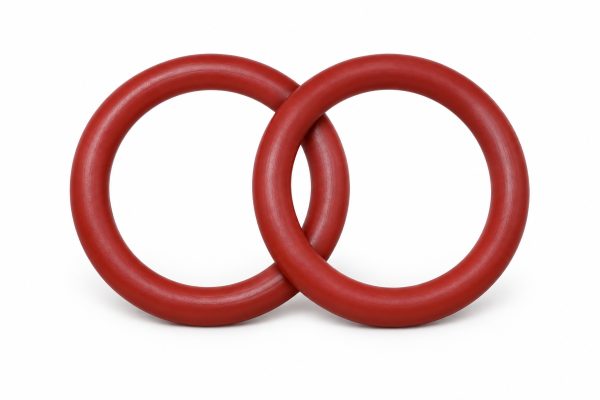
Silicone O-Ring UV1/UV6/UV12 - Aquapro PR-UV12-OR
Part number ART057324 · UV disinfection
Net prices excl. VAT and ordering are reserved for signed-in professional accounts.
Silicone O-ring Ø 29,5 × 21,5 × 4 mm
Silicone O-ring for Aquapro UV1, UV6 and UV12 UV sterilisers. Dimensions: 29,5 mm outside diameter, 21,5 mm inside diameter, 4 mm cord. Reference PR-UV12-OR.
A single reference covers all three units in the range, one item to stock instead of three.
Its role in the reactor
This is the seal that makes the quartz sleeve watertight in the steriliser body.
The principle of a UV unit demands a strict separation: water flows through the reactor, the lamp stays dry inside the sleeve. The O-ring holds that boundary. If it fails, water enters the sleeve and reaches the lamp and its electrical connector.
It is therefore a few-euro part protecting the most expensive component of the unit.
Why silicone
Silicone is chosen here for two specific reasons.
Temperature resistance. A UV-C lamp runs warm, and the sleeve transmits that heat to the seal around it. A standard elastomer hardens and cracks under these repeated thermal cycles; silicone keeps its elasticity.
Radiation resistance. The seal sits immediately adjacent to a UV-C source, a radiation that degrades most polymers. Silicone stands up to it markedly better.
It also stays flexible when cold, which makes reassembly easier and avoids folds during fitting.
The first cause of leaks on a UV unit
On a steriliser, leaks almost never come from the body or the fittings. They come from the sleeve seal.
Three causes recur systematically: a seal reused once too often; a seal pinched or twisted on reassembly; a seal crushed by over-tightening the sleeve nut.
Hence a simple rule: replace the seal every time the sleeve is removed, therefore at every lamp change, once a year. Refitting it "because it looks fine" is a false economy: a seal that has been in service has taken a permanent set and no longer recovers its shape.
Fitting
Switch off the power supply before any work, then shut off the water and depressurise.
Clean the seat in the reactor body: a single grain of scale or sand is enough to create a leak path.
Check that the new seal is intact, with no nick or proud mould line. Lubricate it lightly with food-grade silicone grease, then fit it without twisting it, a twisted O-ring leaks even when correctly seated.
Tighten the sleeve nut by hand. On this assembly, sealing comes from compression of the seal, not from tightening torque. Forcing it crushes the seal and risks cracking the quartz sleeve.
Repressurise the water before restoring power, and check for leaks for a few minutes.
UV disinfection
- 39W UV Lamp 12 GPM Ø19 mm Aquapro | Replacement Lamp ref. ART057323
- Quartz sleeve, Aquapro PR-UV12-Q ref. ART057325
- UV-C steriliser Aquapro, PR-UV- ref. ART057322
- Germicidal UV-C lamp, Aquapro PR-UV1-L ref. ART057326
- UV ballast / power supply, Aquapro PR-UV1014-BA ref. ART057321
- UV-C Lamp 6 GPM Replacement - Aquapro PR-UV6-L ref. ART057327
- Quartz sleeve, Aquapro PR-UV1-Q ref. ART057320
- UV steriliser part, Aquapro PR-UV6-OR ref. ART057328
- Quartz sleeve, Aquapro PR-UV6-Q ref. ART057329
- UV ballast / power supply, Aquapro PR-UV-S1 ref. ART057318
- UV steriliser part, Aquapro PR-UVS-1-FLOW-SENSOR ref. ART057330
- UV steriliser part, Aquapro PR-UV-S ref. ART057317
- UV ballast / power supply, Aquapro PR-UVS-1SET-BA ref. ART057331
- UV steriliser part, Aquapro PR-UVS-1-TR-12 ref. ART057332
- UV steriliser part, Aquapro PR-UV-MONITOR ref. ART057314
- Germicidal UV-C lamp, Aquapro PR-UVS-L ref. ART057335
- UV-C steriliser Aquapro, PR-UV-LED-VERT ref. ART057313
- UV steriliser part, Aquapro PR-UVS-OR ref. ART057336
- UV-C steriliser Aquapro, PR-UV-LED-ROUGE ref. ART057312
- UV steriliser part, Aquapro PR-UVS-ORING-TR ref. ART057337
- UV steriliser part, Aquapro PR-UV-NUT ref. ART057311
- Quartz sleeve, Aquapro PR-UVS-Q ref. ART057338
- UV steriliser part, Aquapro PR-UV- ref. ART057310
- UV steriliser part, Aquapro PR-UV-TIMER ref. ART057339
- UV steriliser part, Aquapro PR-UV- ref. ART057309
- UV steriliser part, Aquapro PR-UV-6GPM- ref. ART057308
- UV-C steriliser Aquapro, PR-UV- ref. ART057307
- Aquapro UV-C Steriliser 6 GPM 20 W stainless steel, complete kit - PR-UV-6GPM-H ref. ART057306
- UV-C steriliser Aquapro, PR-UV- ref. ART057305
- UV steriliser part, Aquapro PR-UV- ref. ART057304