

When we talk about bacteriological risk in water networks, we first think of legionella. But it is not alone: biofilm and germs such as Pseudomonas aeruginosa also colonise indoor networks, particularly in sensitive establishments.
1. Biofilm: at the heart of the problem
Biofilm is a thin microbial film that lines the walls of pipes. It protects bacteria from disinfectants and develops mainly in dead legs and stagnant-water zones. It is the reservoir in which germs such as Pseudomonas thrive.
2. Pseudomonas aeruginosa
Pseudomonas aeruginosa is an opportunistic bacterium that favours moist environments (taps, water points). Harmless for most people, it can pose a risk to vulnerable groups (hospitals, care homes) · hence the importance of monitoring it, beyond legionella alone.
3. Where the risk concentrates
The critical zones: domestic hot water and cold water, little-used points of use, taps and shower heads, and the complex networks of healthcare and accommodation establishments.
4. Understanding the risk factors
Several factors favour biofilm: lukewarm temperatures, stagnation, certain materials, and scaling or corrosion which offer bacteria surfaces to cling to.
5. The means of control
Prevention combines several levers:
- Design: avoid dead legs, promote circulation.
- Temperature management and regular flushing of little-used points.
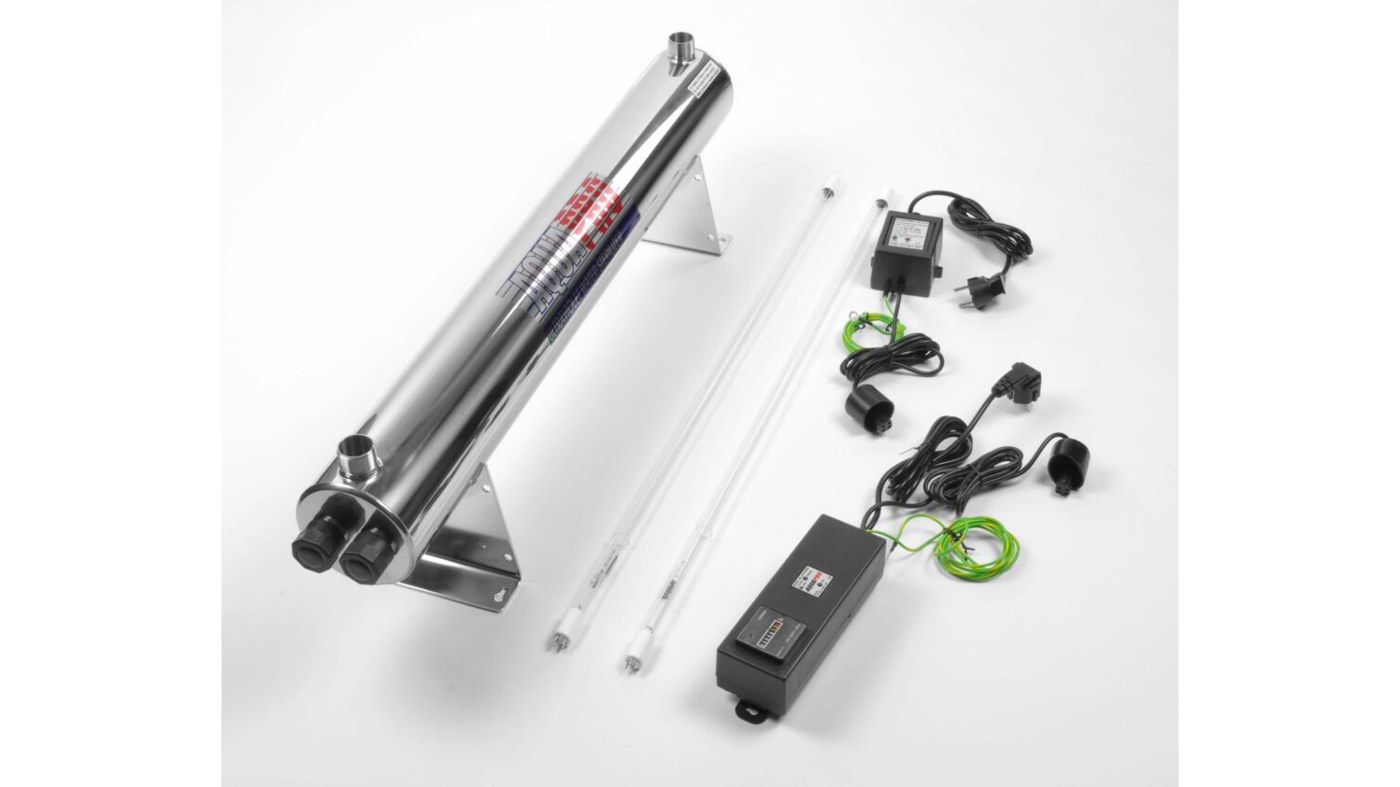
- Disinfection: thermal, chemical or UV treatment.
- 0.2 µm terminal filters at sensitive points (rooms, wards).
6. Monitoring
A water management plan, periodic analyses and a sanitary logbook ensure traceability and anticipation, particularly in establishments hosting vulnerable groups.
7. Who is this approach for?
Hospitals, care homes, clinics, but also hospitality, food and pharmaceutical industries and public buildings: everywhere the microbiological quality of indoor water is a stake.
Conclusion
The microbiological safety of a network is not limited to legionella: biofilm and germs such as Pseudomonas require overall vigilance. The defence is a combination of design, thermal management, disinfection (UV) and terminal filters at sensitive points.
The DIMM teams support partner installers, distributors and resellers in Belgium, France and the Netherlands in choosing and sizing water-treatment solutions.
🔗 DIMM solutions
UV sterilisation, 0.2 µm terminal filters and advice on network control: DIMM secures the microbiological quality of indoor water.
Reference points
- Biofilm: microbial film protecting bacteria; develops in dead legs and stagnant water.
- Pseudomonas aeruginosa: opportunistic germ of moist environments, a risk for vulnerable groups.
- Factors: temperature, stagnation, materials, scaling/corrosion.
- Control: design, thermal management, flushing, disinfection (thermal/chemical/UV), 0.2 µm terminal filters.
- General information dated August 2026; refer to the sanitary guides and regulations in force.