

Complete Comparison: Filtration, Reverse Osmosis, and UV Disinfection
Discover our detailed comparison of water filtration systems (osmosis, carbon, UV, softener). Professional DIMM solutions for France and Belgium.

How to Choose the Best Water Filtration System?
Water, this precious and essential resource for life, is at the heart of our daily concerns. Whether for drinking, cooking, showering, or industrial processes, water quality is an issue of public health and economic performance.
Yet it is increasingly common to question the purity of water coming to our taps, whether from the municipal network, a private well, or an industrial source. The growing presence of contaminants in drinking water is a reality we must face, directly impacting water potability.
Faced with these challenges, many water treatment solutions have been developed to ensure safe water adapted to each use. But how to navigate the multitude of purification systems and water treatment systems available? How to choose the best domestic, professional, or industrial water treatment system? This article aims to provide you with a detailed comparison of the most common and effective technologies: filtration in its various forms, reverse osmosis, and UV disinfection. We will explore their principles, advantages, disadvantages, and ideal applications to help you make an informed decision regarding your domestic water filter or industrial filtration solutions. Get ready to demystify the world of water treatment and purification to obtain purified and safe water.
Problems Related to Water Quality: A Major Issue for Health and Installations
Before addressing solutions, it is essential to understand why water treatment has become a necessity. Water can be contaminated by countless substances, invisible to the naked eye, that alter its quality and may pose health or technical risks. Water turbidity and the presence of suspended sediments are only the visible part of the iceberg.
A. Chemical Contaminants: Undesirable Dissolved Substances
Modernity has its downside, and one of them is the growing presence of chemical contaminants in water. These substances, often invisible and odorless, can have harmful effects on human health and the environment.

Pesticides and herbicides, widely used in agriculture, can infiltrate groundwater and end up in our water sources. The impact of pesticides on health is a major concern, ranging from neurological disorders to increased cancer risk. It is therefore crucial to know how to eliminate pesticides from water. A dechlorination and chemical pollutant filtration system becomes then essential.
Heavy metals such as lead, copper, mercury, or cadmium are other unwanted intruders. Lead in water, often from old pipes, is particularly dangerous for child development. Knowing the risks of heavy metals in water and having effective heavy metal filtration is vital for drinking water safety.
We also find pharmaceutical residues and pharmaceutical substances in water, even in trace amounts. These traces of medications in water, from domestic discharges, raise questions about the elimination of pharmaceutical residues and their long-term effects on health and aquatic ecosystems.
Chlorine in tap water, while necessary for disinfection by municipalities, is often a source of pronounced chlorine taste and unpleasant odor. The effects of chlorine on health may include skin irritation and respiratory problems in some individuals. Furthermore, chlorine can react with organic matter to form potentially harmful byproducts like trihalomethanes (THM). Dechlorination is often sought.
Nitrates and nitrites, mainly from agricultural fertilizers and domestic effluents, are also concerns. Nitrates in drinking water can be dangerous for infants, causing "blue baby disease". Solutions to reduce nitrates in water are therefore sought, particularly for surface and groundwater affected.
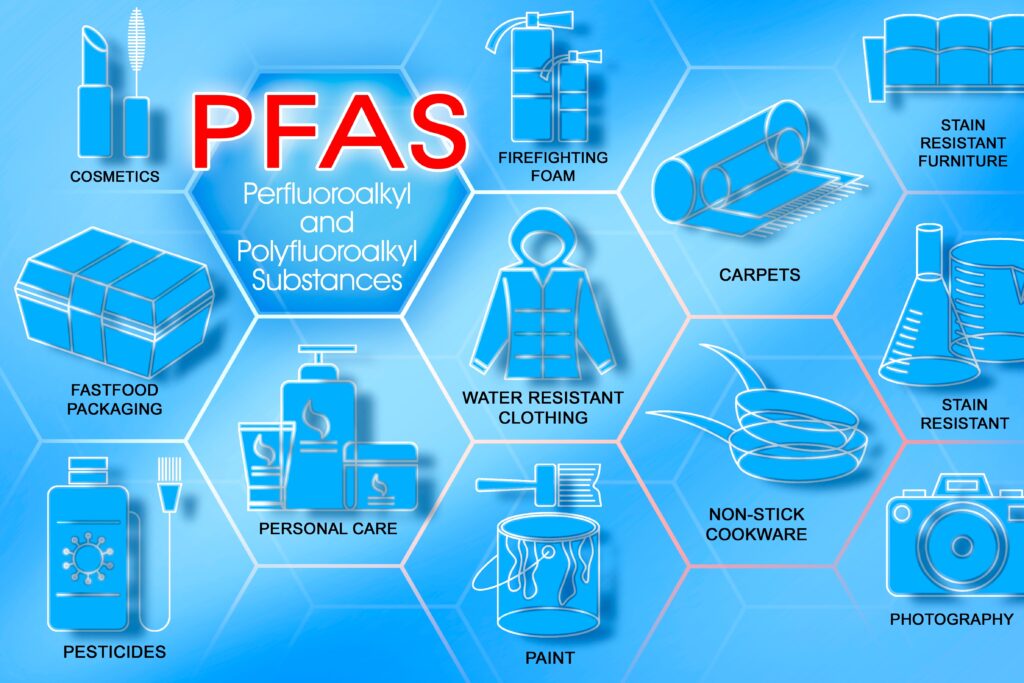
Finally, PFAS (Per- and Polyfluoroalkylated Substances), nicknamed "eternal chemicals" due to their persistence, are increasingly detected. PFAS water contamination poses a major challenge due to its links with various health problems. A PFAS water filter becomes a necessity for many families and industries, constituting a major focus of modern purification solutions.
B. Biological Contaminants: Invisible and Living Threats
Beyond chemical substances, water can harbor pathogenic micro-organisms, capable of causing serious illnesses.
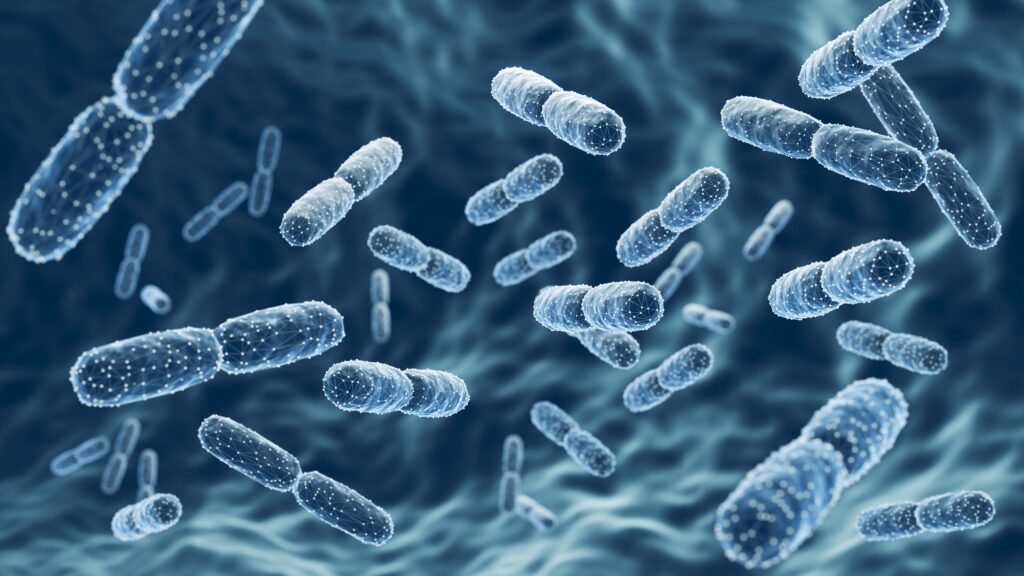
Bacteria in water, such as E. coli or Legionella, are responsible for numerous infections. The presence of these bacteria in drinking water is an indicator of fecal contamination and can lead to serious diseases related to contaminated water.
Viruses in drinking water, such as Norovirus or Rotavirus, are also a serious threat, causing gastroenteritis and other viral ailments. Water disinfection against viruses is therefore crucial, particularly for well or untreated water.
Parasites in drinking water, such as Giardia and Cryptosporidium, are protozoa resistant to chlorine that can cause persistent intestinal diseases. Water parasite filtration is essential to eliminate them effectively.
C. Physical Problems: Visible Inconveniences and Material Damage
Beyond invisible risks, water can present physical problems that affect its appearance, taste, smell, and even the durability of our installations.
Sediments and suspended matter such as mud, sand, or rust are culprits of cloudy or colored water. They can clog equipment and pipes. A sediment filter is often the first essential step in a treatment system.
Water hardness, mainly caused by calcium and magnesium presence, is responsible for hard water. Problems related to hard water are numerous: white marks on dishes, rough laundry, dry skin, and especially, limescale accumulation in sanitary installations, water heaters, and appliances, reducing their lifespan and efficiency. A water softener is the most common solution to this problem.
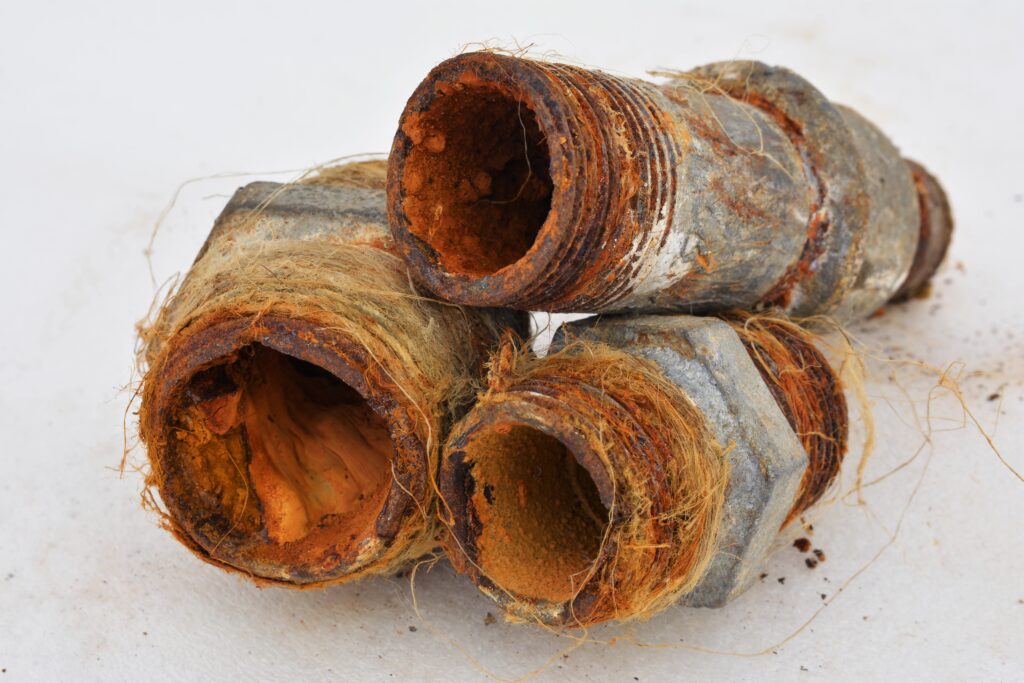
Finally, bad water taste or unpleasant odor of chlorine, earth, or rotten egg (sulfur) is a common problem. While often harmless, these inconveniences make water unpleasant to drink. The goal is then to improve water taste and neutralize unpleasant water odors.
Water Filtration Systems: The First Line of Defense
Filtration systems are the first barrier against many contaminants. They operate through physical or chemical methods to retain or transform impurities.
A. Sediment Filters (Mechanical): The Foundation of All Filtration
Sediment filters, or mechanical filters, are the cornerstone of most water treatment systems. Their operating principle is simple: physically retain suspended particles in water. They act as a fine sieve, blocking sand, mud, rust, tartar particles, and other solid debris.
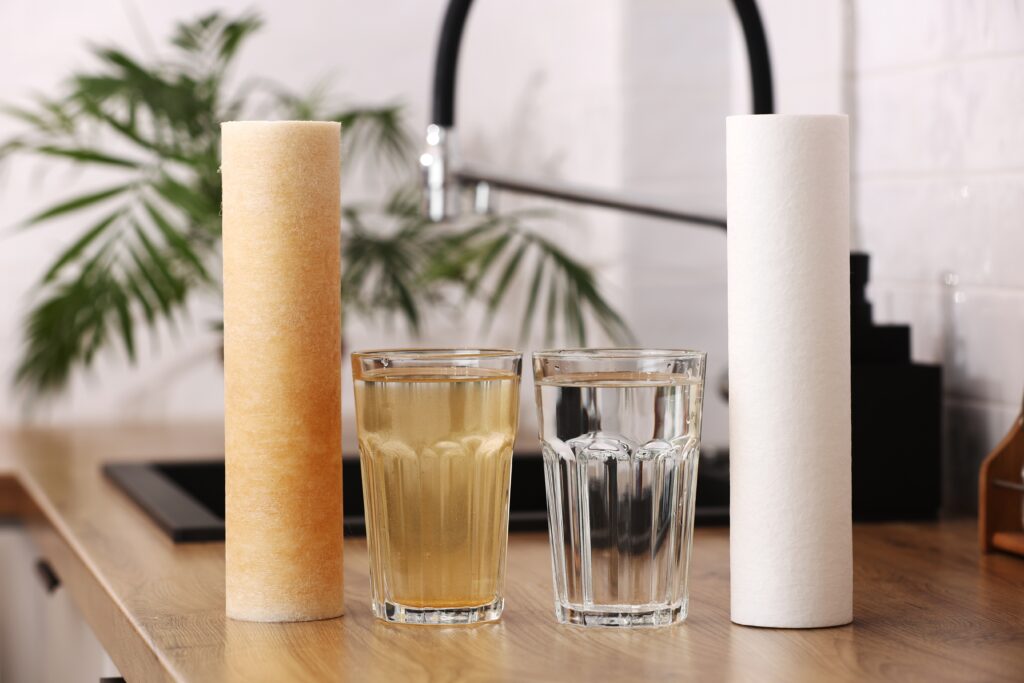
There are several types of sediment filters, including wound, pleated, and extruded filters. Their pores, measured in microns, can range from 1 to 50 microns. The smaller the pore size, the more fine particles they retain. Their advantages are multiple: they are inexpensive to purchase and maintain, and most importantly, they effectively protect downstream filtration systems (activated carbon, reverse osmosis, UV) from premature fouling.
> Discover our sediment filter solutions
However, sediment filters have drawbacks: they do not eliminate dissolved contaminants, chemicals, bacteria, or viruses. They are solely designed for solid particles. Their applications are vast: they are used as pre-filters throughout the house (filtering mud, sand elimination), and are indispensable in industrial settings for protecting sensitive equipment.
B. Polyphosphate Filters: Preventive Anti-Limescale
Polyphosphate filters are a preventive solution against limescale, a major problem in areas where hard water is a reality. Their operating principle is to gradually release micro-doses of polyphosphates into the water. These polyphosphates do not remove limescale from water, but prevent calcium and magnesium (responsible for tartar) from crystallizing and depositing on hot surfaces. They "sequester" the limescale, keeping it in suspension and preventing it from adhering to pipe walls and appliances.
The advantages of polyphosphate anti-limescale filters are that they effectively protect water heaters, washing machines, dishwashers, and other appliances from limescale, extending their lifespan and maintaining energy efficiency. They are also relatively simple to install and maintain.
> Discover our polyphosphate filter range
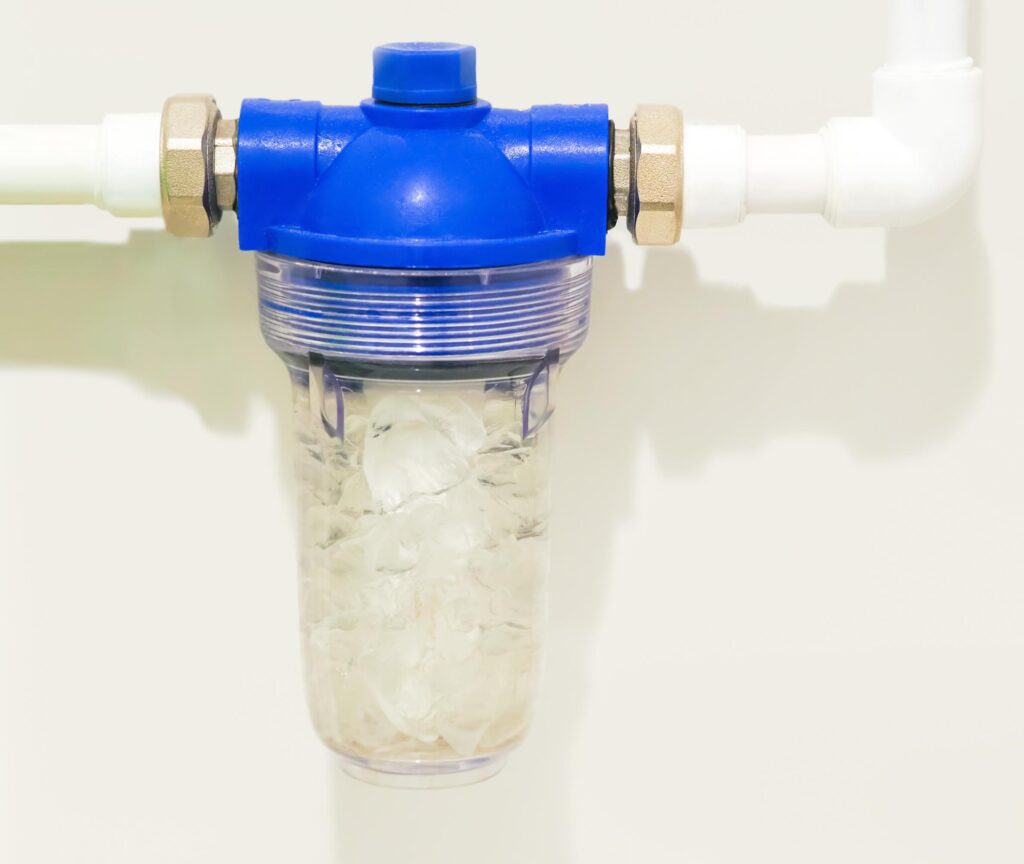
However, their drawbacks are clear: they do not properly soften water (do not remove calcium and magnesium), do not remove already encrusted limescale, and do not filter any other contaminants (chlorine, pesticides, bacteria). They are solely dedicated to tartar prevention. Their applications are therefore targeted on protecting domestic installations against limescale effects, offering a solution for treating hard water without necessarily changing its chemical nature.
C. Activated Carbon Filters: For Tasteless and Odorless Water
The activated carbon water filter is one of the most popular systems for improving water organoleptic quality. Its operating principle is based on adsorption, a process by which contaminants are "trapped" on the porous surface of carbon. Carbon, treated to increase its porosity, becomes a true magnet for unwanted molecules.
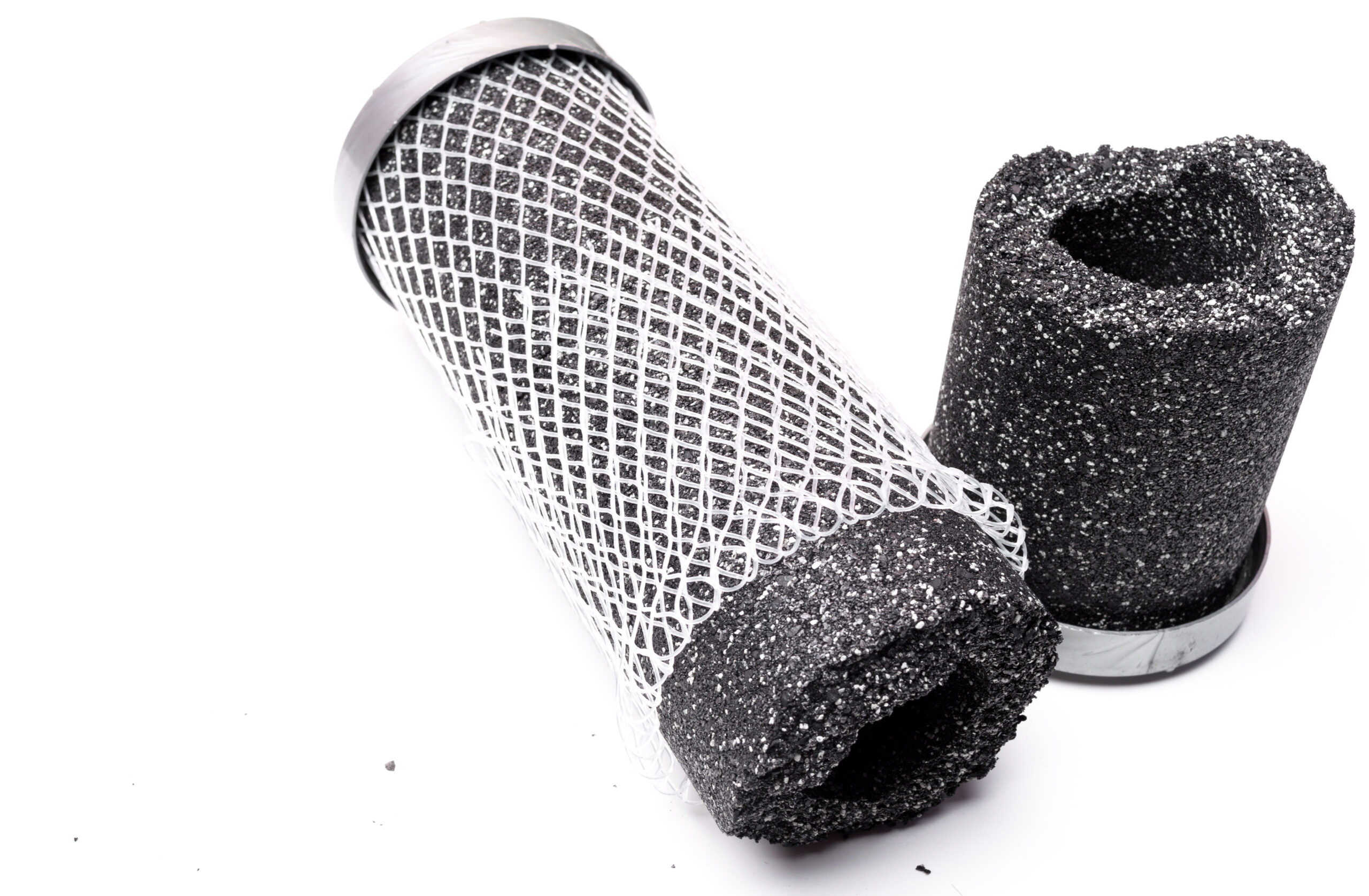
There are mainly two types of activated carbon: carbon block (CTO – Carbon Block) and granular carbon (GAC – Granular Activated Carbon). Block carbon offers better filtration for fine particles, while granular is excellent for chlorine and odors. Activated carbon advantages are numerous: it is very effective at eliminating chlorine from water, volatile organic compounds (VOCs), pesticides, herbicides, trihalomethanes (THM), and most importantly, it significantly improves water taste and water odor.
> Discover our activated carbon filter range
However, activated carbon filter drawbacks are that they do not filter dissolved minerals, heavy metals (except specially impregnated activated carbons), or most bacteria or viruses. Their lifespan is limited and depends on the amount of water treated and contamination level; they must be replaced regularly to maintain effectiveness. Applications are varied: they are commonly used in under-sink systems for drinking and cooking water, in pitcher filters, shower filters to protect skin and hair from chlorine, and in certain industrial processes for water pesticide filtration or other organic compounds.
D. Ion Exchange Filters (Water Softeners): Fighting Limescale
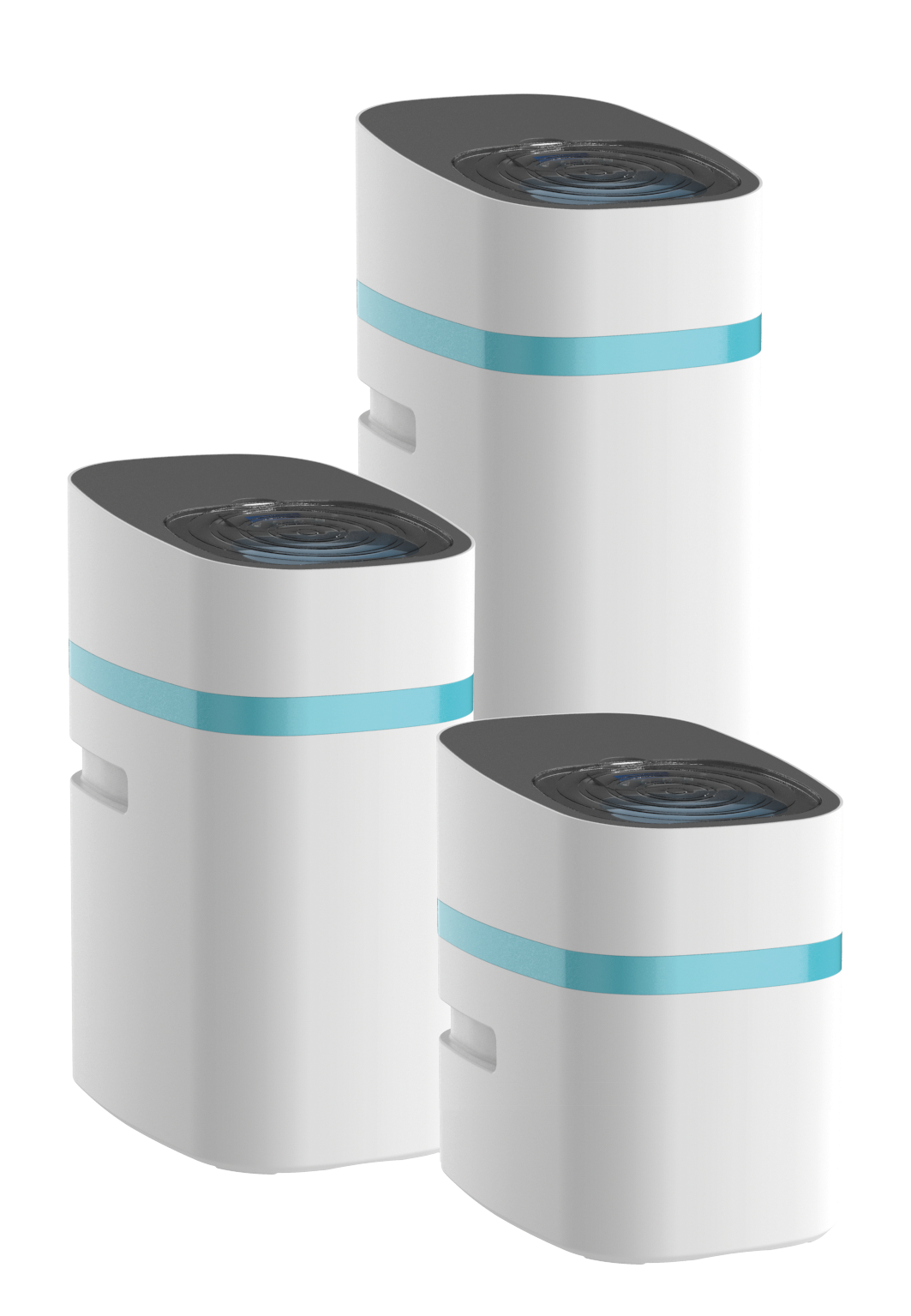
Water softener is the reference solution to combat hard water at the whole-house scale. Its operating principle is ion exchange: hard water passes through a resin charged with sodium ions. Calcium and magnesium ions, responsible for hardness, are then "exchanged" for sodium ions. The water that comes out is thus stripped of limescale.
Water softener main advantages are their ability to drastically reduce water hardness, thus protecting the entire home against limescale. This means more durable appliances, softer skin and hair, softer laundry, and savings on cleaning products and energy expenses related to tartar accumulation. It is the most effective way to obtain scale-free water at all points of use.
However, water softener disadvantages exist. The process adds sodium to the water, which may be a concern for people following a low-sodium diet. Furthermore, they do not filter other contaminants (chlorine, pesticides, bacteria). The system requires periodic regeneration of resins with salt, which involves salt consumption and rejection of saline water. Water softener applications are almost exclusively domestic, for overall treatment of hard water in single-family homes or small buildings.
> Discover our water softener range
E. Specialized Filters: Ultrafiltration and Nanofiltration
Beyond classical filters, ultrafiltration (UF) and nanofiltration (NF) represent advanced membrane technologies, offering superior filtration fineness. The operating principle of these systems is based on water passing under pressure through a semi-permeable membrane with extremely small pores, but larger than those of reverse osmosis.
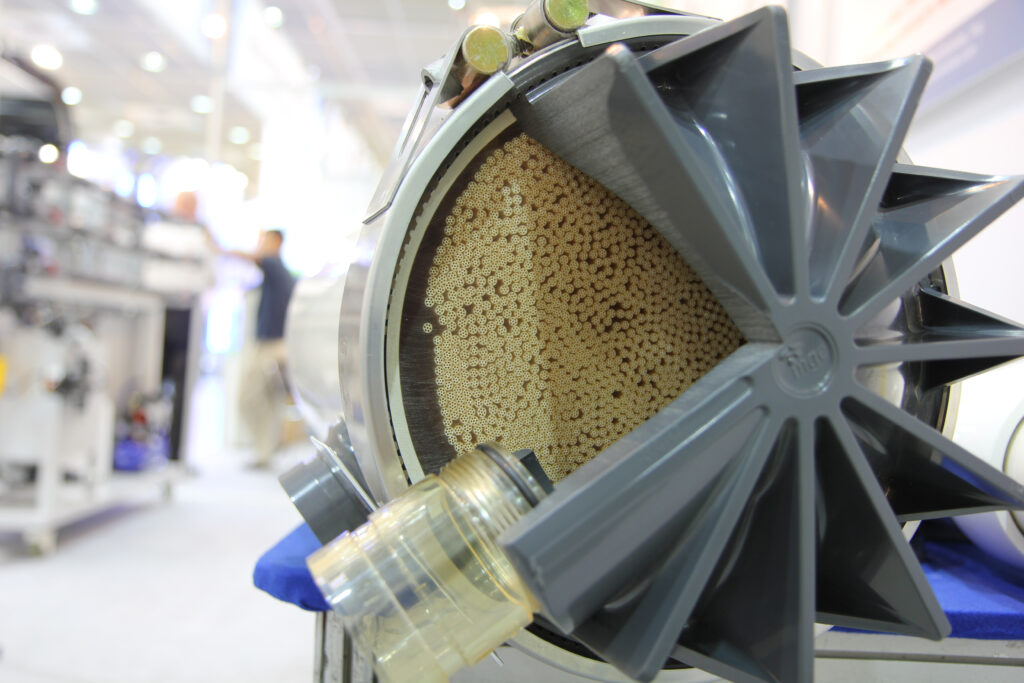
Ultrafiltration (UF) retains particles of 0.01 to 0.1 micron, including bacteria, viruses, colloids, proteins, and macro-molecules, while allowing most dissolved minerals to pass. Nanofiltration (NF), with even smaller pores (0.001 micron), can additionally eliminate some divalent ions (calcium, magnesium) and low molecular weight organic matter.
> Discover our ultrafiltration solutions
Ultrafiltration and nanofiltration advantages are that they are very effective at eliminating bacteria and viruses from water without using chemicals, and they preserve a good portion of essential minerals. They are also more water-economical than reverse osmosis, as they do not reject as much water.
Disadvantages include higher cost than classical filters and the need for pre-filtration to avoid membrane fouling. Flow can also be a limiting factor. Their applications are varied: they are used for advanced residential water treatment, notably for well water, and find many industrial applications, such as in the dairy industry, beverage production, or wastewater treatment. They constitute a solution for bacteria and virus water filters when one wishes to preserve water minerals.
Reverse Osmosis: The Ultimate Purification?
Reverse osmosis (RO) system is often considered the pinnacle of water purification, capable of producing exceptionally pure water.
A. Reverse Osmosis Operating Principle
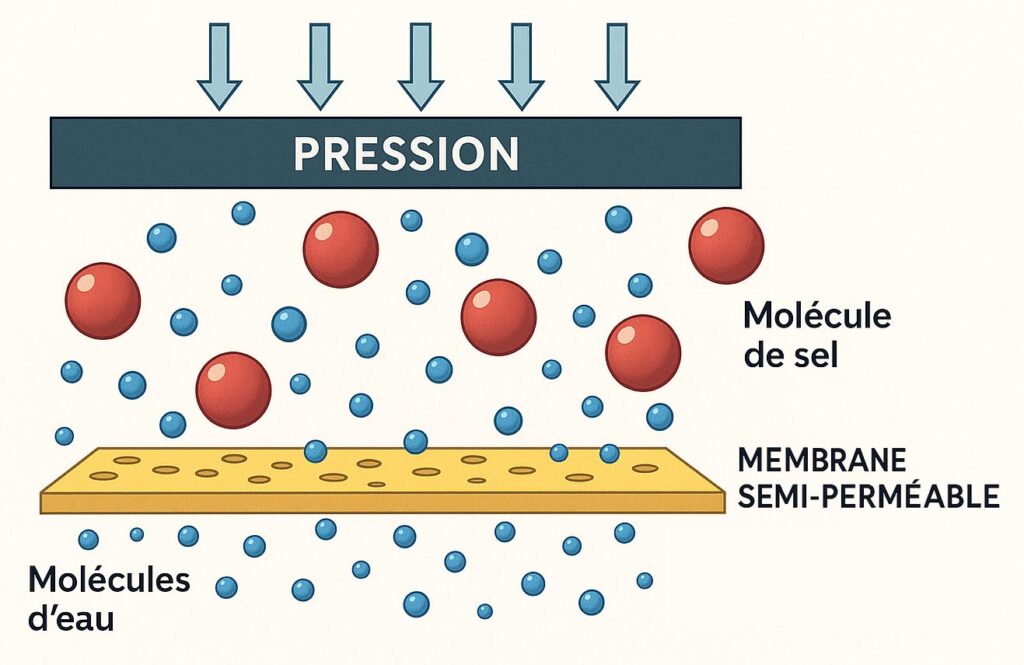
Reverse osmosis is a process that forces water under pressure through an extremely fine semi-permeable membrane (pores of 0.0001 micron), which only allows water molecules to pass, retaining virtually all dissolved contaminants. The simplified diagram of an osmosis unit generally includes several stages: a sediment pre-filter for large particles, an activated carbon pre-filter for chlorine and organic contaminants (to protect the RO membrane), the reverse osmosis membrane itself, then a post-filter activated carbon to refine water taste before consumption.
B. Reverse Osmosis Advantages: Unparalleled Purity
Reverse osmosis advantages are impressive. It offers almost total elimination of contaminants present in water: heavy metals (lead, mercury, arsenic), chlorine and chloramines, pesticides, nitrates, fluorides, bacteria, viruses, pharmaceutical residues, PFAS, sediments, and trihalomethanes. The exceptional water quality obtained is often compared to bottled water, offering pure water at home and neutral, pleasant taste. It is the preferred solution for eliminating fluoride from water, eliminating nitrates from water, and obtaining water without heavy metals.
C. Notable Reverse Osmosis Disadvantages
Despite its performance, reverse osmosis presents disadvantages. The most often cited is water rejection: for each liter of purified water, an osmosis unit can reject between 2 and 4 liters of water concentrated in contaminants (the ratio of pure water/rejected water), raising questions about osmosis unit water consumption. However, new models integrate technologies to reduce this water rejection from reverse osmosis.
Production slowness is another weak point; flow is limited, often requiring a pressure storage tank to have sufficient purified water available. Mineral elimination is a debated subject: reverse osmosis removes most dissolved minerals (calcium, magnesium), leading to demineralized water. While this poses no immediate health problem (minerals are mainly provided by food), some prefer remineralizing osmosis unit water via a post-mineralization filter.
Reverse osmosis initial cost is higher than simple filters, and osmosis unit maintenance involves regular replacement of pre-filters and the RO membrane, representing ongoing maintenance cost.
D. Reverse Osmosis Applications
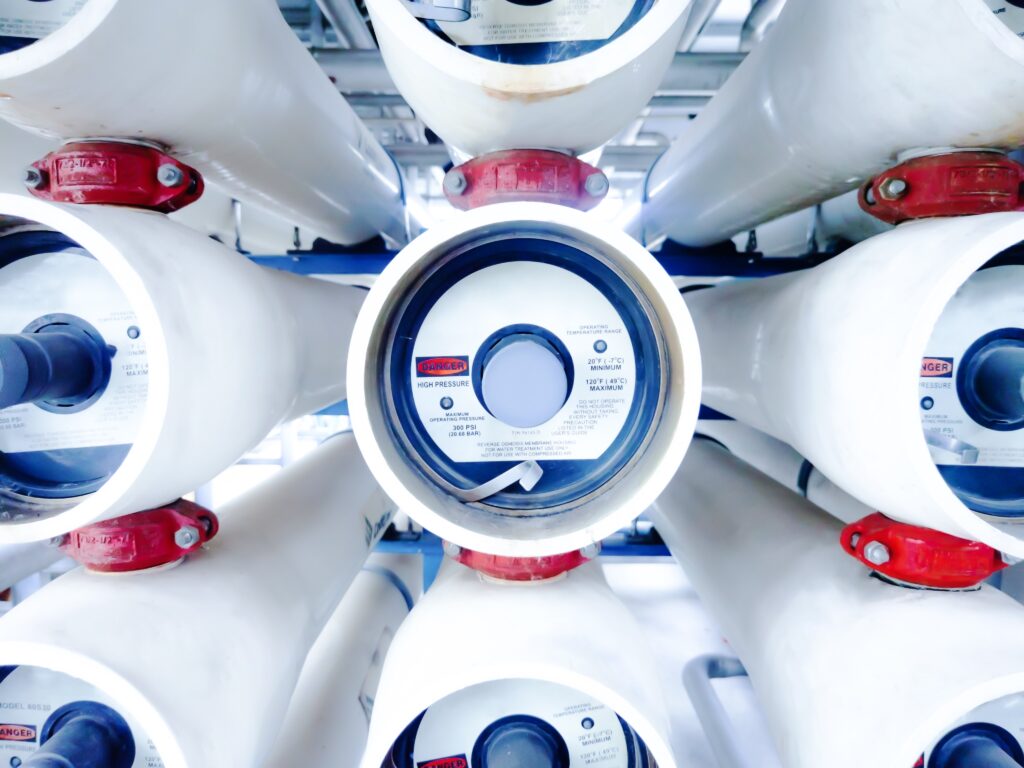
Reverse osmosis applications are diverse. In domestic use, it is ideal for drinking and cooking water, offering unparalleled peace of mind. At the professional level, it is indispensable in laboratories, pharmaceutical and cosmetic industries, as well as for manufacturing processes requiring ultra-pure water. In the industrial sector, reverse osmosis is widely used for demineralized water production for boilers, cooling towers, and plays a crucial role in wastewater treatment for recycling.
> Discover our osmosis unit range
UV Lamp Disinfection: The Anti-Microbial Weapon
For water free of micro-organisms, UV lamp disinfection is a very effective and ecological solution.
A. UV Lamp Operating Principle for Water
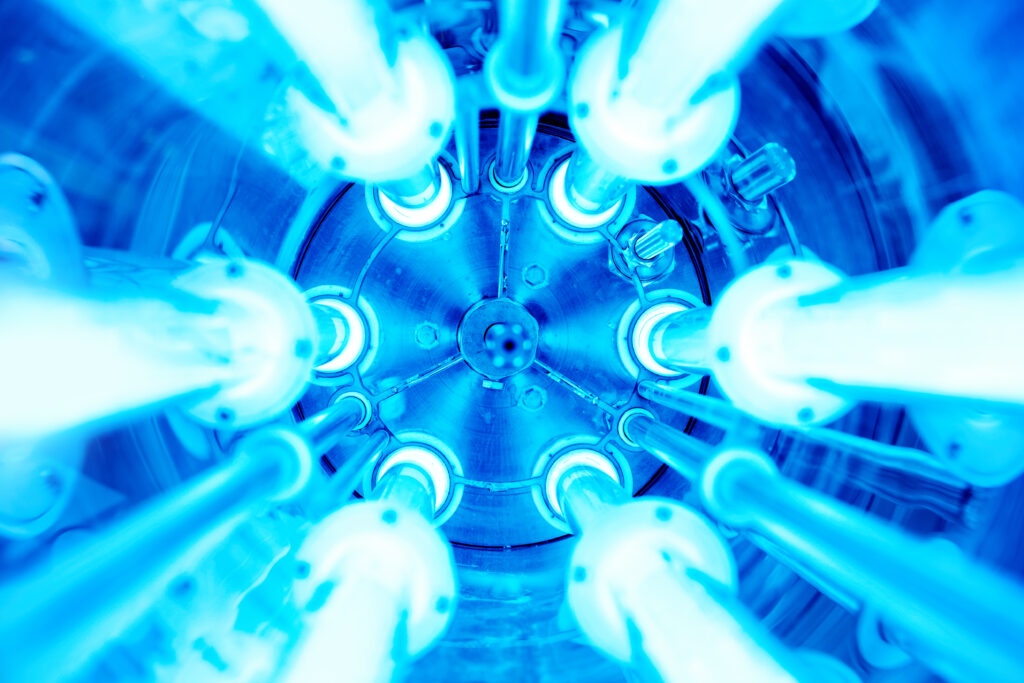
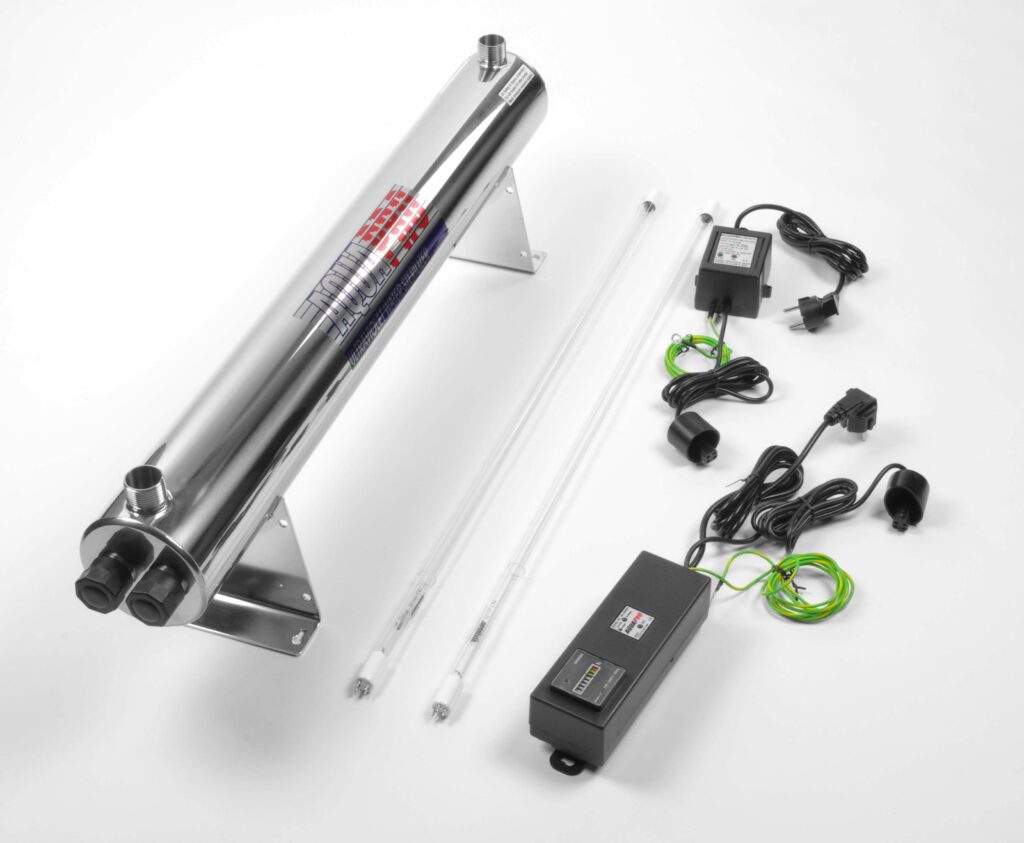
The operating principle of a UV lamp for water treatment is destroying micro-organisms through exposure to ultraviolet type C (UV-C) rays. These rays, emitted by a special lamp, penetrate the DNA and RNA of bacteria, viruses, yeasts, molds, and parasites, rendering them unable to reproduce and thus harmless. It is a purely physical process, without adding chemicals to water.
B. UV Disinfection Advantages: Biological Purity Without Chemicals
UV disinfection advantages are numerous. It is very effective against micro-organisms, eliminating up to 99.99% of bacteria and viruses, including those resistant to chlorine like Cryptosporidium and Giardia. It is a water sterilization method by UV that requires no chemicals, thus preserving water taste, smell, and chemical composition. Its action is rapid and instantaneous as water passes in front of the lamp. Furthermore, it is ecological, generating no chemical byproducts or residue. It is an ideal solution for water disinfection against bacteria and water treatment against viruses.
C. UV Lamp Disadvantages: Limitations and Maintenance
Despite its merits, water UV lamp presents disadvantages. It does not filter water: it does not eliminate sediments, chlorine, heavy metals, or chemicals. Pre-filtration (sediments and activated carbon) is therefore necessary to guarantee UV effectiveness, as water turbidity can "mask" micro-organisms and reduce UV ray penetration. Effectiveness depends on water clarity.
Another point to note is the absence of residual effect: once water is UV-treated, it is no longer protected against potential recontamination downstream. UV lamp initial cost is moderate, but UV lamp maintenance involves annual lamp replacement (quartz glass can get dirty and reduce effectiveness) to guarantee optimal performance.
D. UV Lamp Applications for Water Treatment
UV lamp applications are varied. In domestic use, they are ideal for treating well or private source water to guarantee potability by eliminating bacterial risks. They can also be used as complementary protection after a filter. In the professional sector, they are found in restaurants, hotels, clinics, laboratories, and water fountain systems to ensure safe water. At the industrial level, UV is used in food processing (rinse water, beverage production), pharmaceutical industry, fish farming, and for disinfection of certain wastewater flows.
> Discover our ultraviolet systems
Comparison Table of Water Treatment Systems
To help you quickly visualize and compare the different technologies, here is a summary table of the specifics, advantages, disadvantages, and ideal applications of each system.
Treatment System | Specifics / Eliminated Contaminants | Key Advantages | Notable Disadvantages | Ideal Applications |
Sediment Filters | Particles > 1-50 microns (sand, rust, mud, debris) | Inexpensive, protects other filters from fouling | Does not eliminate dissolved, chemical, biological contaminants | General pre-filtration for an entire home (tap water, well water), protection of industrial equipment and delicate membranes. |
Polyphosphate Filters | Prevents limescale deposit (does not eliminate it, sequesters it) | Protects heating equipment (water heaters, machines) | Does not soften water, does not filter other contaminants, does not eliminate already encrusted limescale | Protection of domestic installations against tartar, especially hot water tanks, dishwashers, and washing machines. Useful for extending equipment lifespan. |
Activated Carbon Filters | Chlorine, volatile organic compounds (VOCs), pesticides, herbicides, bad tastes/odors, trihalomethanes | Significantly improves water taste/odor, effectively suppresses chlorine | Limited effectiveness on minerals, heavy metals (except impregnated carbon), bacteria; limited lifespan, possible saturation. | Drinking and cooking water filtration (under-sink, pitcher filters), shower filters. Useful for eliminating organic pollutants and improving water consumption experience. |
Water Softeners (Ion Exchange) | Calcium and magnesium ions (responsible for limescale) | Drastically reduces water hardness, protects all installations from limescale, improves comfort (skin, laundry). | Adds sodium to water, does not filter contaminants other than limescale, requires salt regeneration and regular maintenance. | Overall treatment of very hard water for an entire domestic installation, to prevent tartar accumulation and improve daily water usage comfort. |
Ultrafiltration / Nanofiltration | Bacteria, viruses, colloids, macro-molecules (UF); smaller contaminants, some divalent ions (NF) | Effectively eliminates micro-organisms without chemicals, preserves minerals (UF) | Requires pre-filtration, higher cost than classical filters, limited flow, some NF may slightly reduce minerals. | Advanced residential applications for drinking water, well water treatment. Industries (dairy, beverages, pharmaceutical) for clarification and cold sterilization. |
Reverse Osmosis | Virtually all contaminants: heavy metals, nitrates, fluorides, chlorine, pesticides, bacteria, viruses, PFAS, THM, salt. | Exceptional water quality, very thorough purification, elimination of even the finest contaminants. | Significant water rejection, water demineralization (health debate), slow production, higher initial and maintenance costs. | Drinking and cooking water (domestic, ideal for ultra-pure water), laboratories, industries requiring very high water purity (pharmaceutical, electronics, cosmetic), advanced wastewater treatment. |
UV Lamps | Bacteria, viruses, protozoa (through DNA/RNA destruction) | Without chemicals, very effective against micro-organisms, rapid action, ecological. | Does not filter, does not remove chemicals/minerals, requires clear water (pre-filtration), no residual effect (no downstream protection). | Disinfection of well or source water for potability, post-filtration treatment, food processing, fish farming, medical. Ideal for biologically securing water. |
Which System to Choose? Advice and Recommendations for Optimal Water
Choosing the right water treatment system is not a light decision. It is an investment in your health, equipment durability, and peace of mind. The best solution will depend on your specific needs, current water quality, and budget.
A. Define Your Needs Precisely: The Key to the Right Choice
The first and most crucial step is a thorough water analysis. You cannot treat what you do not know. Whether you have tap water or well water, conducting a professional water quality test is essential. This will allow you to precisely identify present contaminants (chlorine, hardness, heavy metals, nitrates, bacteria, etc.) and their concentration.
Next, evaluate the amount of water to be treated (point of use or entry point), as well as your initial and operating budget (filter replacement, energy consumption, salt for softener). Clearly define the types of contaminants to eliminate as a priority: do you want chlorine-free water for showering, ultra-pure drinking water, or bacterial protection for your entire home?
B. Usage Scenarios: Solutions Adapted to Each Situation
According to your water analysis results and priorities, here are some common scenarios:
- For standard tap water: If your main concern is bad taste, chlorine odor, or pesticide presence, an activated carbon filter (under-sink or tap) will be very effective for improving drinking and cooking water quality. For maximum purification and eliminating virtually all contaminants (including PFAS, nitrates, heavy metals), a reverse osmosis system is the reference solution.
- For well water: Well water is by nature more likely to contain bacteria, viruses, sediments, and sometimes heavy metals or nitrates. A combination of systems is often necessary. A sediment pre-filter is essential, followed by an activated carbon filter for chemicals. For microbiological safety, a UV lamp is highly recommended. In some cases, a comprehensive or partial reverse osmosis may be considered for maximum purity.
- For very hard water: If you suffer from hard water problems (deposits, limescale), a water softener is the most effective solution for treating your entire home. It will often be completed by an activated carbon filter for drinking water if you wish to remove chlorine taste or filter other contaminants.
For industrial and professional applications: Needs are often complex and specific. They may require custom solutions combining multiple technologies, such as reverse osmosis for demineralization, ultrafiltration for clarification, UV lamps for disinfection, and softening or deionization systems. Consulting a water treatment expert is then essential.
C. The Importance of Technology Combination: Integrated Systems
It is rare that a single filter type meets all needs. Very often, the most effective and comprehensive solution is an integrated water treatment system, combining different technologies in series. For example:
- A sediment pre-filter to protect downstream systems.
- An activated carbon filter for chlorine and organic contaminants.
- Then, depending on needs, a UV lamp for microbiological disinfection, an osmosis unit for ultimate purification, or a softener for limescale.
This multi-layer approach ensures complete protection against an extended range of contaminants, guaranteeing the best water quality for each use. It is the personalized water solution that will make all the difference.
Have a Question About This Product?
Our technical team is at your service to advise you and offer the solution adapted to your B2B project.
Request a Quote View Our Catalogues